

 United Kingdom
 Ireland
 The Netherlands
 Belgium
 Italy
Italy Germany
 Luxembourg
 Switzerland
 Middle East
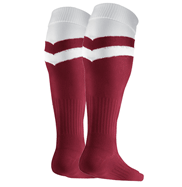
As blackouts continue to plague Pakistan, the government has turned off all air conditioning units at public offices, according to a report in the Guardian today. Despite temperatures of over 40C, the sanction was necessary to conserve power. Instead, the government has issued a new dress code for civil servants which states that moccasins and sandals must be worn without socks.
 Pakistan has experienced energy shortages for many years but so chronic is the current situation, that some areas of the country are enduring blackouts of up to 20 hours per day.
With the exception of some manufacturing and industrial processes, in most circumstances in the UK, air conditioning is seen as a nice to have, rather than a necessity. With research showing the detrimental impact on productivity when temperatures fall outside the ‘Goldilocks’ zone, this perception is changing. However, regardless of the application, every user can take steps to mitigate their energy consumption when using permanent or temporary air conditioning:
• Don’t assume you need a really low temperature – adjusting the thermostat by just a degree or two can make a difference to comfort levels.
• Ensure the air conditioning unit is well maintained – older models and those not adequately serviced will be more of a drain on power and quickly add to your fuel bill.
• Choose a unit appropriate in size and output: over-specified units will also be a drain on energy.
• Select a model with an automatic thermostat which should mean that units aren’t left on when cooling is not required.
The advantages of temporary air conditioning are that it can be deployed only when necessary, capital isn’t tied up in creating infrastructure, especially onerous in some old building which don’t lend themselves to hidden ‘built-in’ services, and the most efficient and up to date kit can be used without major remedial works.
And of course, there’s no risk of that most British of fashion ‘faux pas’; socks with sandals in the workplace.